


What Nobody Tells You About Tacos al Pastor (A Note From the Road)
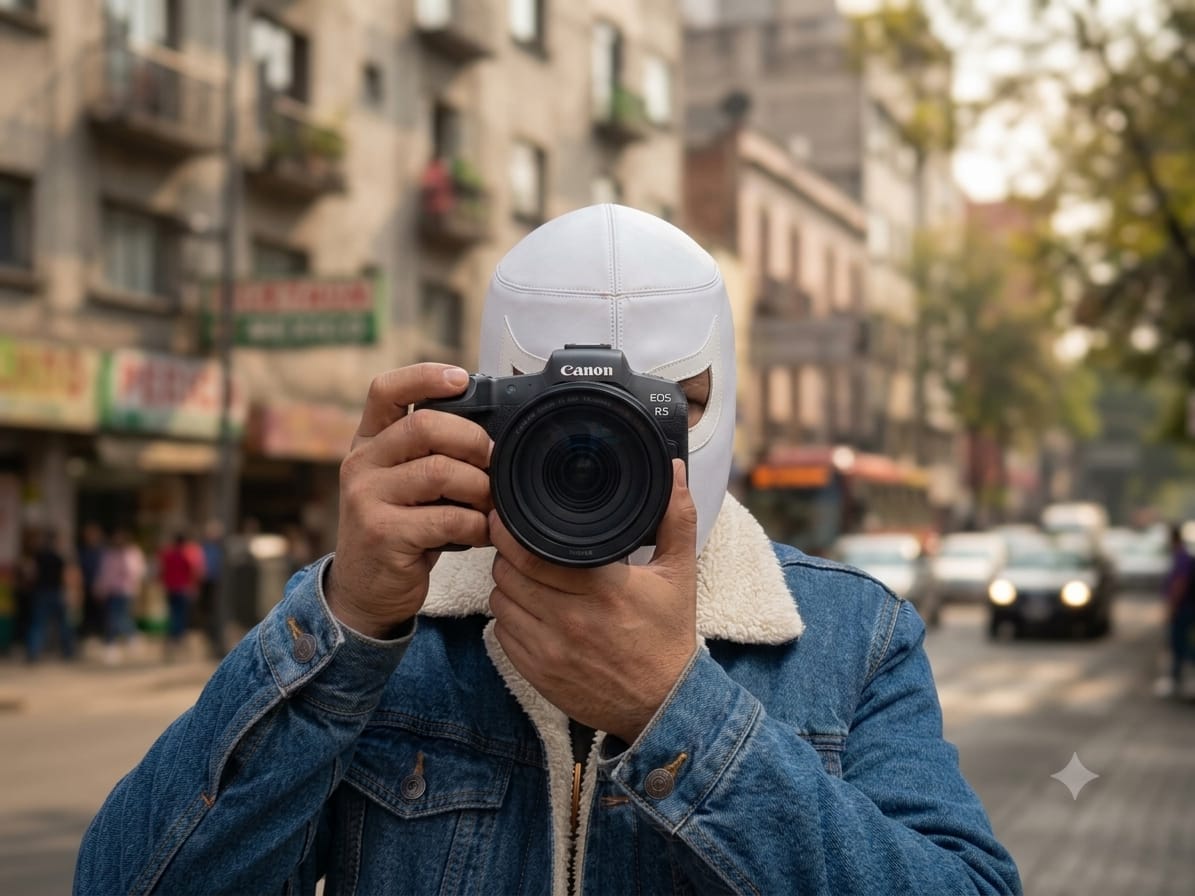
I've eaten more tacos al pastor than I could count if you asked me to. Standing up, usually. Late, usually. Somewhere with one bulb hanging over a spinning trompo and a line of people who clearly know something you don't yet.

I'm not going to tell you where I'm from. That's not the deal we have. But I'll tell you this — where I grew up, you learn early that the food people call "authentic" almost never has a simple origin story. And al pastor is the best proof of that I know. It didn't start here. It came from Lebanese immigrants, a shawarma spit reimagined with Mexican hands — lamb became pork, pita became corn tortilla, and somewhere along the way, somebody had the instinct to slice pineapple onto the very top of the spit so it drips its juice down through the meat for hours. That's not tradition in the way people mean when they say the word. That's adaptation. That's what happens when something crosses a border and gets remade by people who weren't trying to preserve it — they were just trying to make something good.
I think about that a lot. More than I probably should, standing in line for tacos.
What I Actually Look For
I don't trust a stand that pre-cooks the meat and reheats it flat. That's not al pastor, whatever the sign says. I want to see the trompo spinning, the meat coming off in thin slices with a little char on the edge, landing straight on a tortilla — no ceremony, no plating, just the thing itself. And the pineapple has to be actually caramelized, not just sitting up there for the photo.
Nobody good asks if you want everything. They just build it — meat, a little pineapple, onion, cilantro — and let you handle the salsa yourself. Green first if you're not sure. You can always go hotter. You can't undo too much red.
Where I Actually Go
I won't hand you a list of restaurants, because the good ones don't need me to. The ones that matter have been run by the same families for twenty, thirty years, and they don't have signs you'd recognize walking by. What I'll say instead is this — if you're near Roma, Condesa, or the Centro, ask someone who actually lives there where they eat on a Tuesday night, not where they'd take a date. That answer tells you more than any list I could write.
The Part Nobody Explains
Order two or three at a time, not one. Squeeze the lime directly onto the taco, not into some side dish. Skip the fork — I don't care what anyone tells you, this is a hands food. And when you're ready to pay, you just tell them how many you ate. The whole system runs on trust. I like that about it. Not everything here needs a receipt.
Why I Keep Coming Back to This
Understanding al pastor is the door into everything else — suadero, campechano, cabeza, all of it. But pastor's still the one that tells you what this city actually does with what it's given: it takes something from somewhere else, rebuilds it with its own hands, and ends up with something the original never was.
I've built a life out of showing people the parts of this country that do that same thing — take you somewhere and give you back something you didn't expect. A canyon with thermal water running through it. A canal system almost nobody visits. A wrestling ring on a Friday night that has nothing to do with what you think it's about.


Comments